
Finding Allentown Residents by Record Type
Different records answer different Allentown questions. An address is the strongest opening for the County property search and Parcel Viewer. A name with a court or filing date can be narrowed in Pennsylvania UJS Case Search. An older household is usually better approached through a city directory, obituary index, census reel, or deed reference. The fact that Allentown is the Lehigh County seat also puts the Recorder, civil clerk, Register of Wills, City Hall, library, and historical collections within the local records network.
Ownership, a mailing contact, a court party, and a resident are not interchangeable labels. Assessment information can point to a tax contact, but it does not list every occupant. A directory prints what its edition recorded for that year. A public docket is a case index, not proof of a current address. Use a dated trail with more than one source when an identity matters.
- Enter an address, PIN, or instrument number in the County property search. The public form does not offer anonymous owner-name searching.
- Open the Parcel Viewer for the parcel fields, owner and mailing lines, sale data, and deed reference.
- Use the deed reference, legal description, or parties to continue through the Recorder’s LANDEX route or its counter records.
- For a past household, work from the Allentown directory cross-reference to the alphabetical entry, then move through nearby years.
- When a City-held record is not online, send a focused request through the City’s Right-to-Know process rather than asking staff to research a person.
Allentown Offices Behind Resident Records
Lehigh County keeps the records that most often tie a name to an address or parcel. The Recorder of Deeds preserves transfer records and directs online deed searching to LANDEX. The County’s assessment tools begin with an address, PIN, or instrument number. The elections office and statewide status service have a much narrower voter function. City Hall supplies the municipal Right-to-Know route for defined City records. For a street-by-street chain, use the more detailed Allentown street directory workflow.
Recorder of Deeds Division
Lehigh County Courthouse, Room 122
455 W. Hamilton St., Allentown, PA 18101-1614
610-782-3162
Lehigh County Assessment
County property and parcel records
Address, PIN, or instrument-number route
Use the County portal for current access
Lehigh County Voter Registration
County elections and registration channels
State status tool and County office
Public list use is limited by Pennsylvania law
Allentown Property Search Starts With an Address
County of Lehigh Online Records Access Property Search is a practical first stop when an Allentown address is known. Its public form requires at least four characters and a CAPTCHA. The available search types are Address, Parcel Identification Number, and Document ID or Instrument Number. There is no anonymous owner-name choice on that opening form. That limit matters when a name is the only lead.
| Property form field | How it works |
|---|---|
| Enter Search Text | Required, four to 30 characters, with no special characters. |
| Search Type | Choose Address, PIN, or Document ID/Instrument Number. |
| CAPTCHA | Required before the search runs. |
| Parcel Viewer | Links to the mapped parcel tool for additional assessment information. |
The property screen is shown on the official County property-search page.
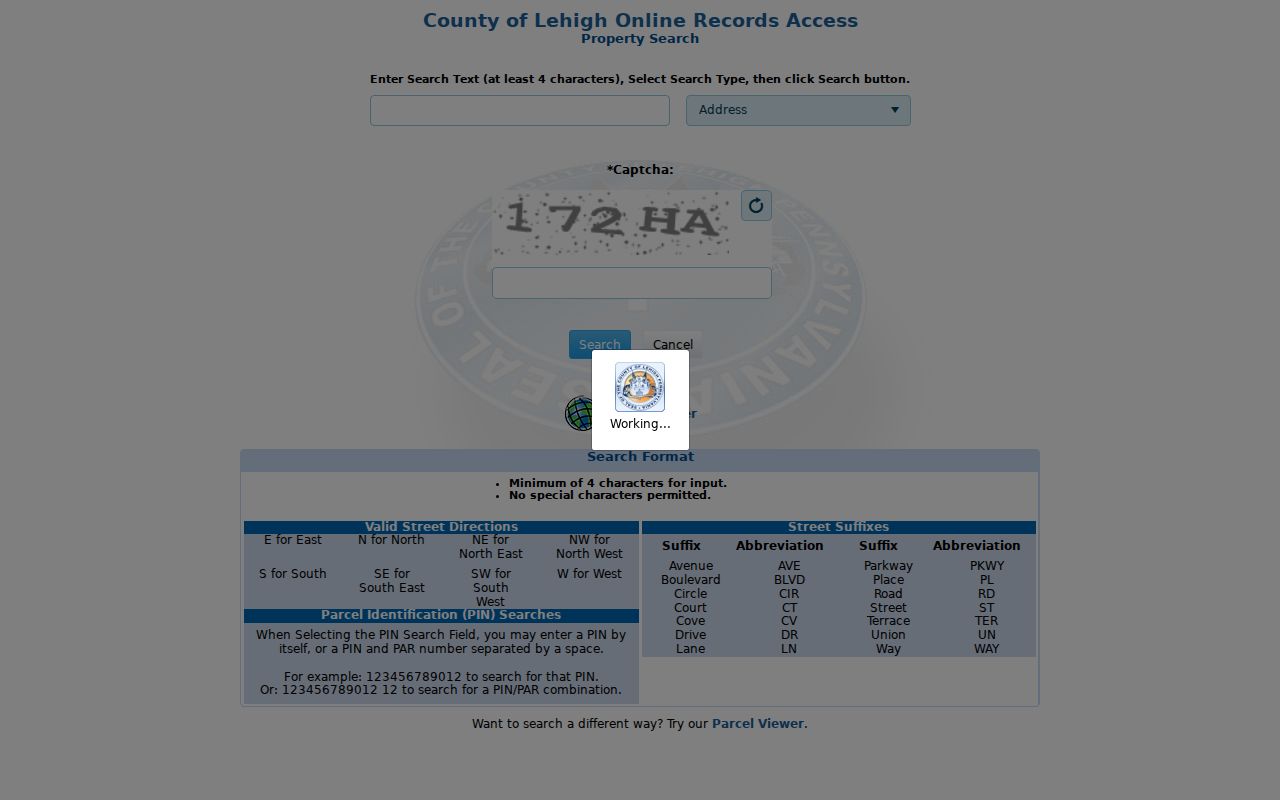
Its address, PIN, and instrument choices explain why a precise location produces a better Allentown residents directory result than a bare name.
Allentown Parcel Details Need Careful Reading
The Lehigh County Parcel Viewer supplements the basic form. Search an address or PIN, zoom in, then click a parcel’s red centroid for the assessment popup. The documented fields include the PIN, owner, three mailing-address lines, deed reference, sale month and year, sale price, land use, assessments, and parcel characteristics. Adjacent parcels can be opened in sequence, which is useful for understanding a block.
A tax mailing address is a billing contact, not proof that the owner lives at the parcel. The situs address identifies the physical location. A deed’s legal description identifies the land being transferred. Keeping those labels separate prevents a false match when an Allentown parcel has an out-of-town mailing address.
The County’s Online Records Access information describes the available County channels.
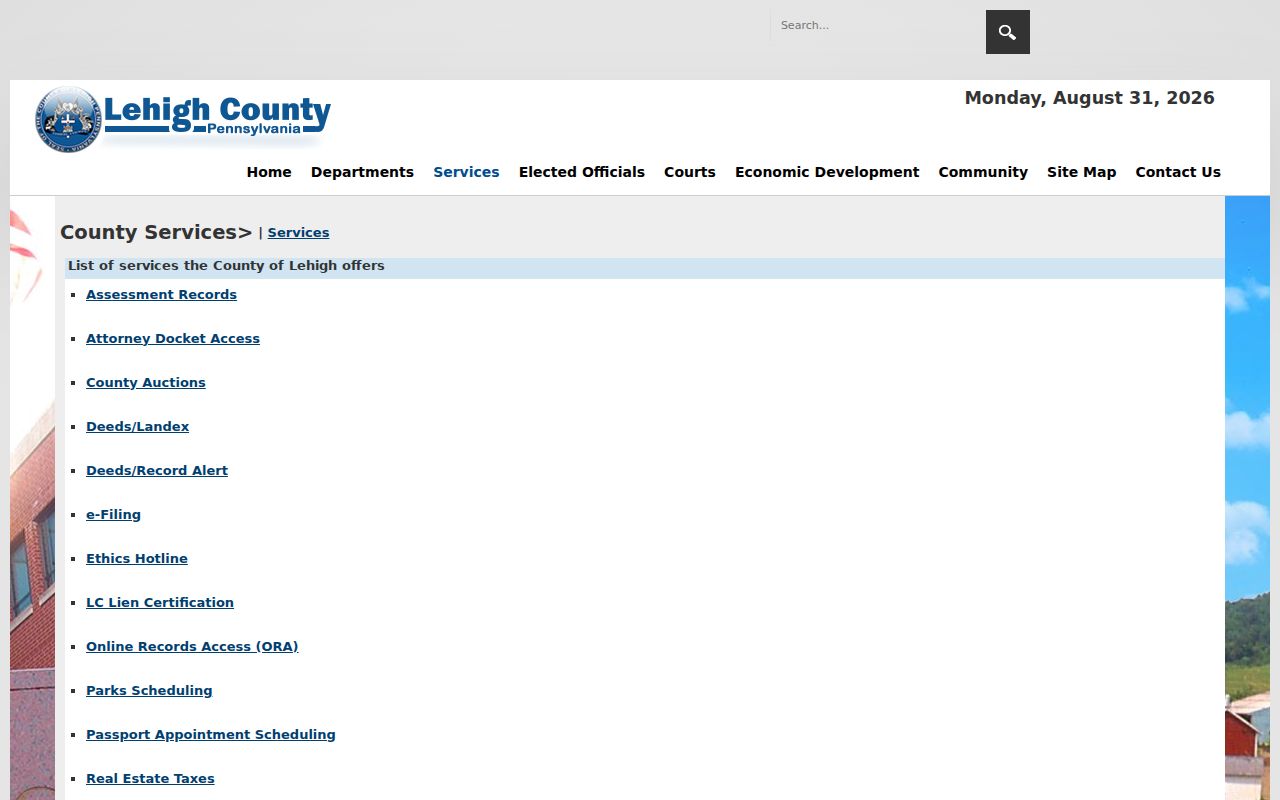
County access is layered, so the free form, parcel viewer, subscription material, and counter records each serve different parts of the same search.
Allentown Deed Names Follow the Parcel
Once a parcel returns a deed reference, the Recorder of Deeds Division provides the next records trail. The Recorder directs online searching to LANDEX. County material identifies the Russell/IQS index for 1812-1983 and LANDEX for 1812-present. A name index can be useful, but it is strongest when checked against the parcel’s deed reference or legal description. The Recorder keeps older books and preservation microfilm as a fallback when a newer interface does not show the needed document.
Bring the parties, PIN or legal description, and an approximate period to the Recorder counter. Staff do not conduct research for a requester. The 2026 schedule lists $0.50 per page for in-person copies, $1 per page for mail or email copies, $1.50 per document for certification, and $5 per map sheet.
The Recorder of Deeds Division publishes its local role and access information.
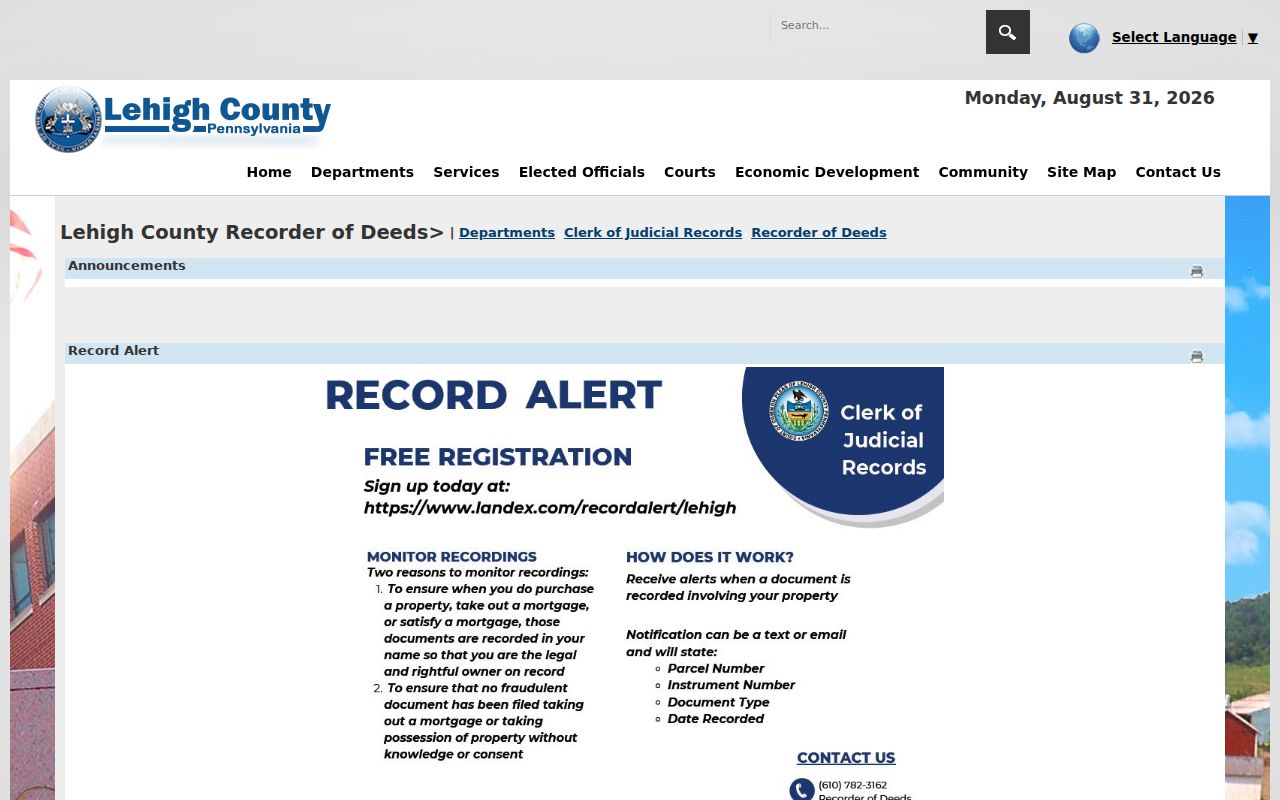
That official route turns an Allentown parcel or party name into a dated land-record search, rather than a claim about every current household member.
New Allentown Address Records at City Hall
In February 2026, the City announced an RTK Data Hub with searchable City Code Cases, City Building Permits, and City Rental Licenses. These are address-based administrative records, not a general people search. The City said the collections were added to make frequently requested records easier to find, but live filters, coverage, and export controls should be checked before relying on any one result.
When a needed City record is not available there, use the Allentown Right-to-Know channel. Requests may be sent by email, mail, fax, drop box, or in person, and should identify records by subject, scope, and time period. Under the Pennsylvania Right-to-Know Law, an initial response is generally due within five business days, with a possible written extension.
Current Allentown Resident Directory Sources
No official Allentown residents directory is a single master list. The practical substitutes are record-specific. A parcel ties land to its assessed owner and mailing contact. A recorder index lists people or entities in recorded instruments. Court, voter, license, business, and public-safety systems serve separate functions and must be read within their access rules. Historical institutions hold the sources that place people at older addresses.
| Allentown source | What it can establish | Custodian | Access route |
|---|---|---|---|
| Property search and Parcel Viewer | Parcel, assessed owner, mailing lines, sale and deed reference | Lehigh County | Free address/PIN/instrument portal |
| Recorder index | Parties, transfer chronology, deed reference and legal-description trail | Recorder of Deeds | LANDEX, subscription channels, counter |
| Voter-status tool | A user’s registration status, not a public neighborhood directory | Pennsylvania and Lehigh County | Official status portal and County office |
| UJS Case Search | Eligible public docket activity for a named party | Pennsylvania courts | Free statewide docket portal |
| Directory and newspaper collections | Past addresses, households, notices, and dated context | APL and LCHS | Microfilm, library, archive, or digital collection |
Start with the source that matches the question, then verify it against another dated record. When the question is one individual rather than an address or household history, the Allentown resident lookup route adds the court, vital, and verification limits that apply to a name search.
Allentown Court Dockets Require Name Checks
Pennsylvania UJS Case Search is the free public docket route for eligible Common Pleas and Magisterial District material. A party search can be narrowed with Lehigh County, the 31st Judicial District, court office, filed-date range, case category, or status. It is a useful confirmation lead when the name, court, and period line up. It is not a resident list, and a docket entry does not provide the underlying filing for download.
The UJS help materials say some juvenile, expunged, limited-access, and other protected content does not appear. A later clerk entry may not yet be posted. The local Civil Division is the copy or file route for a defined civil, family, or judgment record, while the court controls its own official copies.
The public fields and search choices are visible on Pennsylvania UJS Case Search.
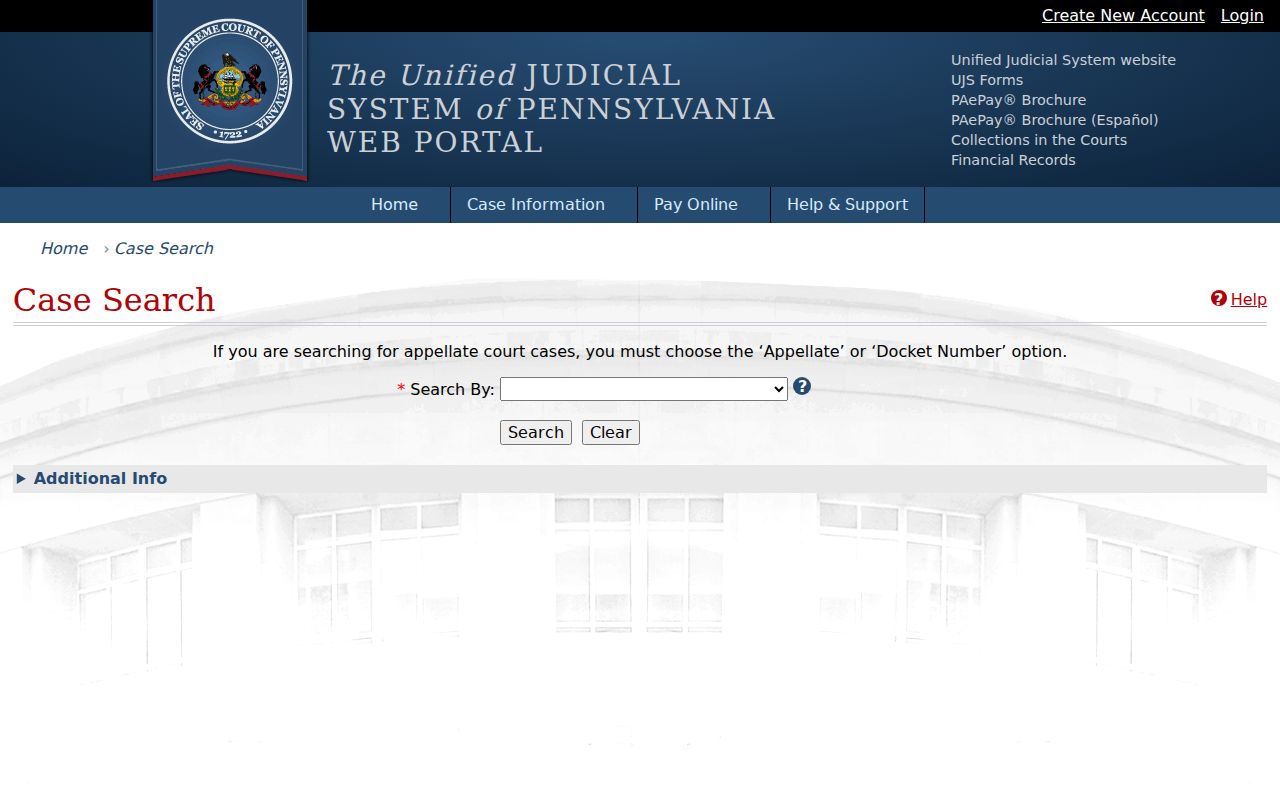
Using the Lehigh and date filters reduces same-name errors that a broad Allentown residents directory search can create.
Allentown Voter Information Has a Narrow Use
Pennsylvania’s Find Voter Registration Status service is an official status check. Public-information lists follow a separate rule, 25 Pa.C.S. § 1404. Their permitted use is restricted to elections, political activities, or law enforcement, and state regulations prohibit publication of voter lists on the internet. The statewide status tool and the Lehigh County Voter Registration office are the appropriate channels for their respective tasks.
Voter information is not a substitute for a parcel record, directory volume, or direct confirmation. Pennsylvania also protects portions of registration information, including a voter’s Social Security number, driver’s-license number, and signature.
The official statewide status form is shown by Pennsylvania voter services.
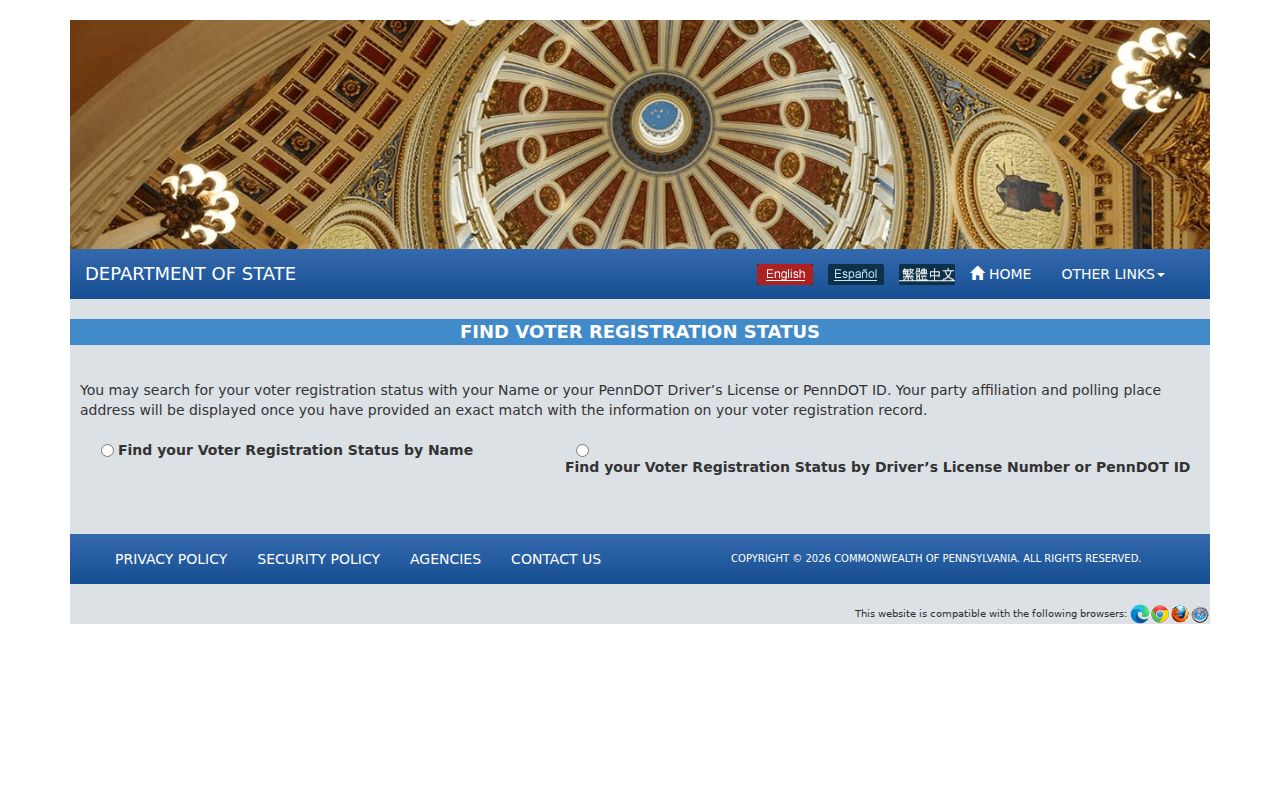
Its account-style status purpose illustrates why voter data should be handled under the specific Pennsylvania rules instead of as a general directory.
Allentown Records Have Real Privacy Boundaries
Public access does not make every personal detail open. Pennsylvania vital records have eligibility and age-based access rules. UJS omits protected case categories. Motor-vehicle information is limited by federal law. The Pennsylvania Address Confidentiality Program can provide eligible participants a substitute address in listed government records. Correcting an assessment, court, voter, or vital record also means working with the custodian, not a secondary display.
The Pennsylvania Address Confidentiality Program describes its eligibility and substitute-address scope. It is not a general removal tool for ordinary public records.
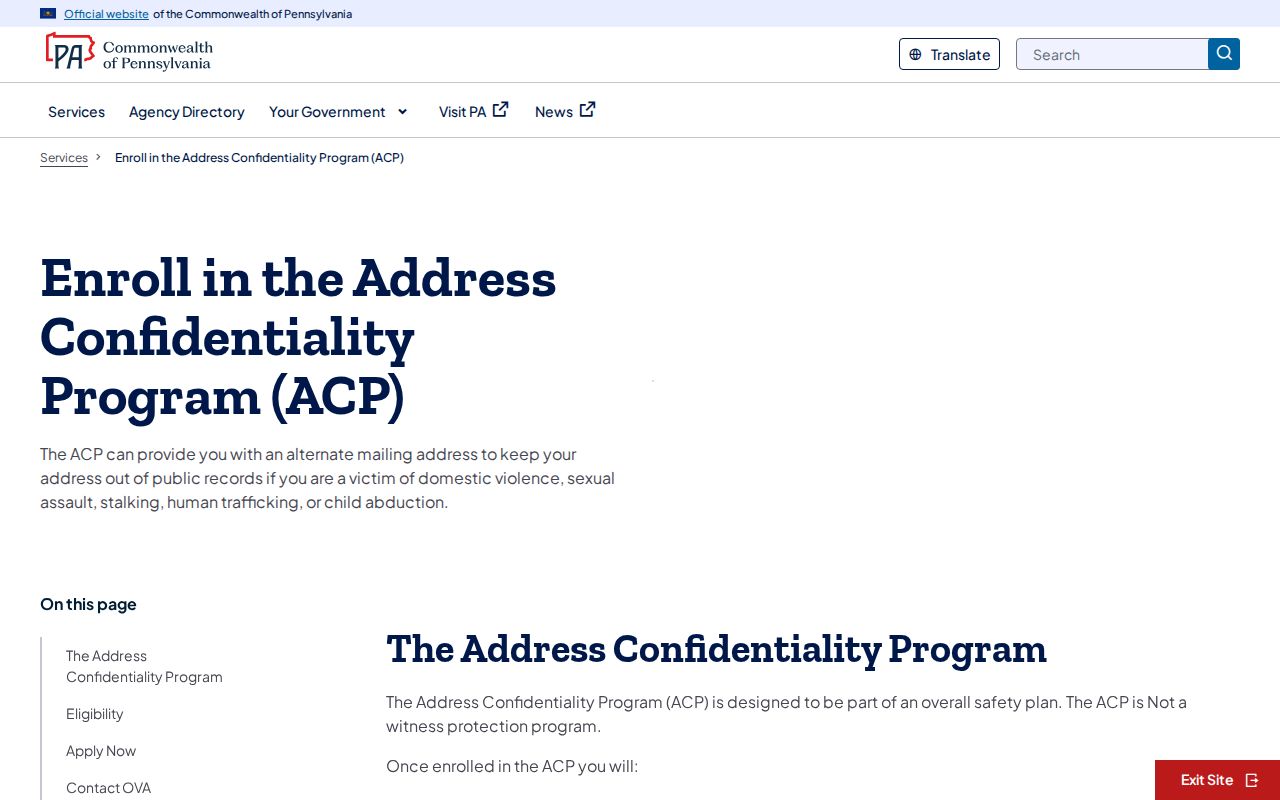
The program is one reason an absent address or name should never be treated as proof that no Allentown record exists.
Allentown Records Use Several Offline Routes
A failed web search does not end an Allentown records search. The Recorder maintains books for documents through April 19, 2002 and describes security microfilm or computer-image preservation from 1812 forward. The Register of Wills handles probate and marriage pathways. County ORA material also identifies paid access to civil records, marriage licenses, Register of Wills material, naturalizations, deed indexes, and assessment or tax records. Each route has its own request, account, or counter process.
The Lehigh County Register of Wills is the local channel for estates, probate, inheritance-tax work, and marriage-license functions.
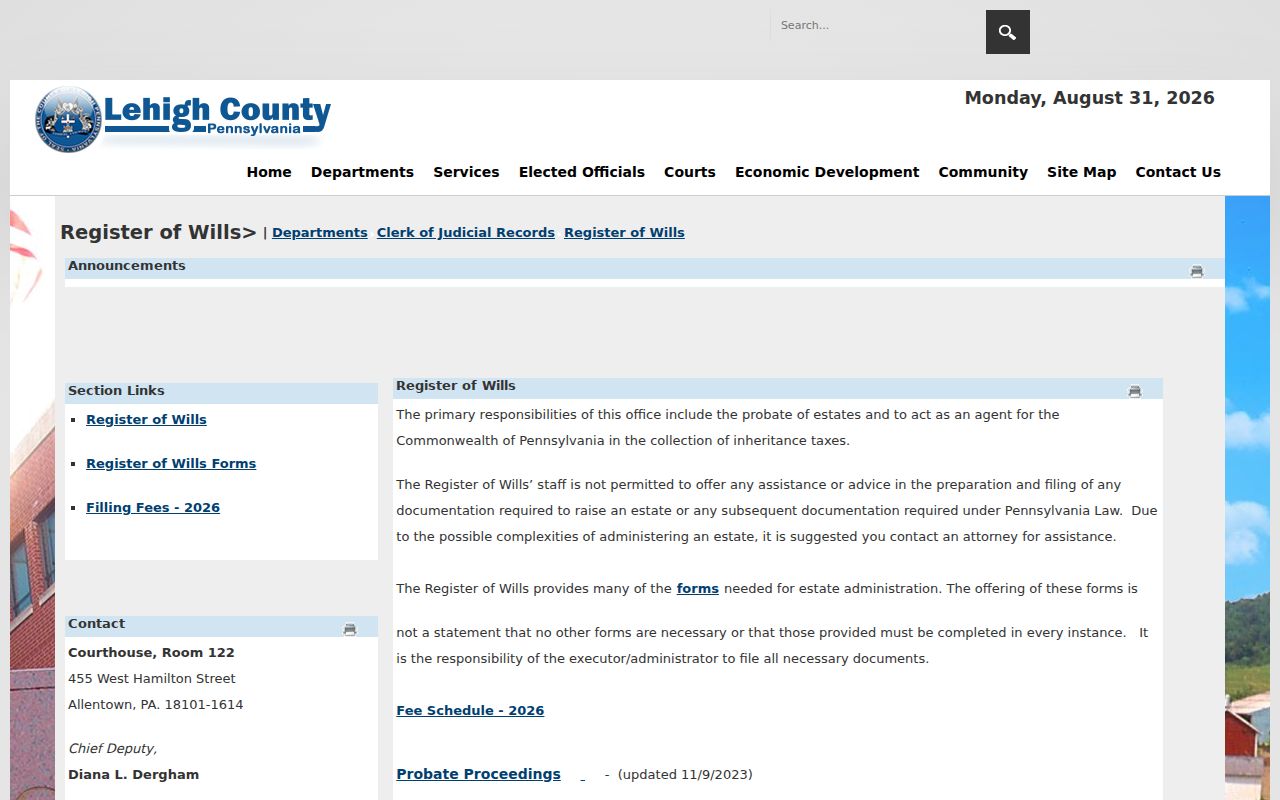
That division provides a defined local fallback when a household trail reaches an estate or marriage record rather than a parcel or directory entry.
Historical Allentown Resident Directories
Allentown Public Library has city directories on microfilm for 1860-1980. The Lehigh County Historical Society lists Allentown city directories from 1860-current, although post-1980 volume gaps should be checked with staff. The City’s historic-property method starts in the late twentieth-century criss-cross section, identifies the address and listed resident, then checks the alphabetical entry for details such as occupation and owner or renter notation. The full collection trail is covered on the Allentown city directory page.
A directory gives a dated listing, not a permanent identity conclusion. Log the volume, year, page, printed spelling, and address. Pair it with a census, deed reference, obituary, probate entry, or Sanborn map when a household history needs more support. Allentown’s long local deed record begins in 1812, while Wm. H. Boyd’s digitized 1860 directory and the library microfilm run provide a concrete human layer across later decades.
The Penn State digital copy of Boyd’s 1860 directory preserves an early named collection.
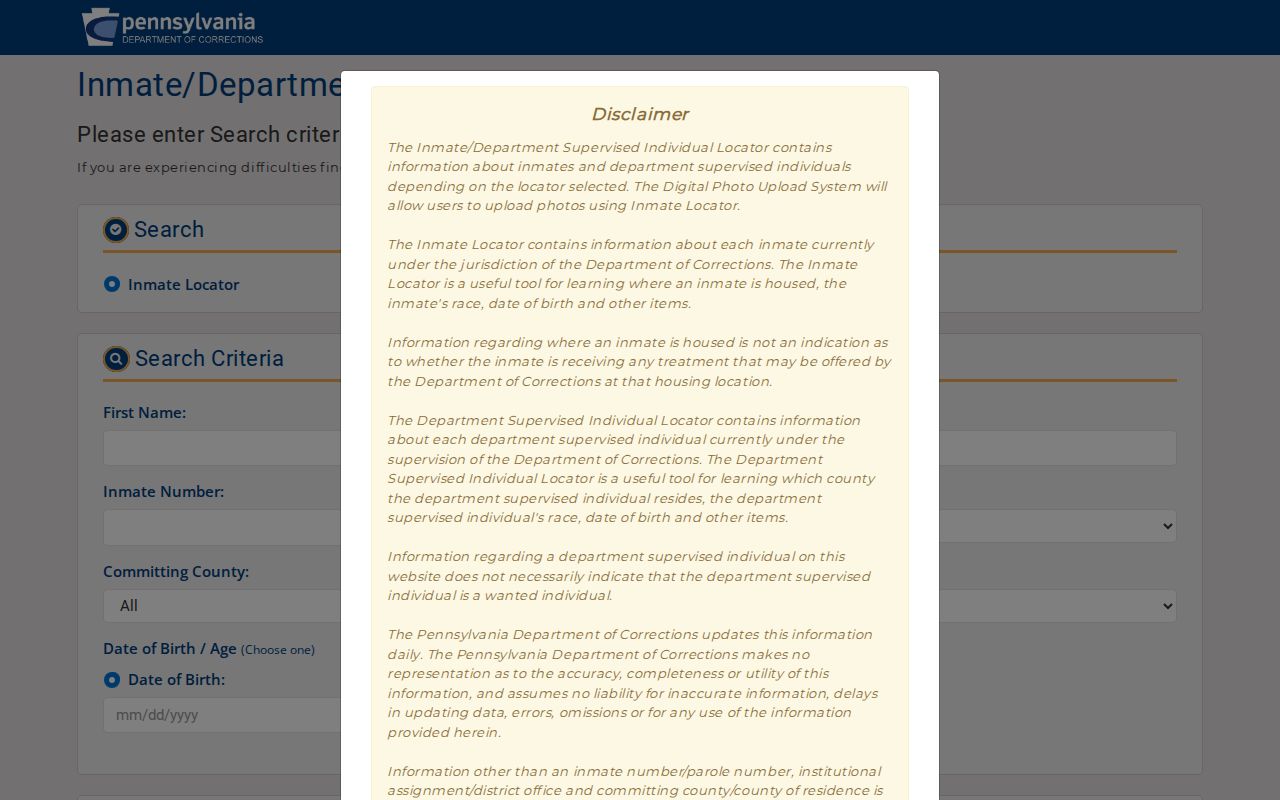
State locator tools have their own defined scope, so a historical Allentown residents directory trail still depends on library, archive, recorder, and court sources.
Allentown Public-Safety Searches Have Limits
The Pennsylvania DOC Locator covers state-sentenced or supervised people, not a general Allentown directory or a substitute for the Lehigh County Corrections office. The local County site did not provide an independently searchable public jail roster during this research. Pennsylvania’s Megan’s Law system also has a distinct public-safety purpose and warns against threats, intimidation, harassment, or misuse of registry information.
Use a result only for its stated official purpose. Never infer a current location, identity, or personal circumstance from a name match. Immediate safety concerns belong with 911 or the appropriate local agency, not with accumulating personal records.
The state’s Megan’s Law public site sets the terms and search context for its registry.
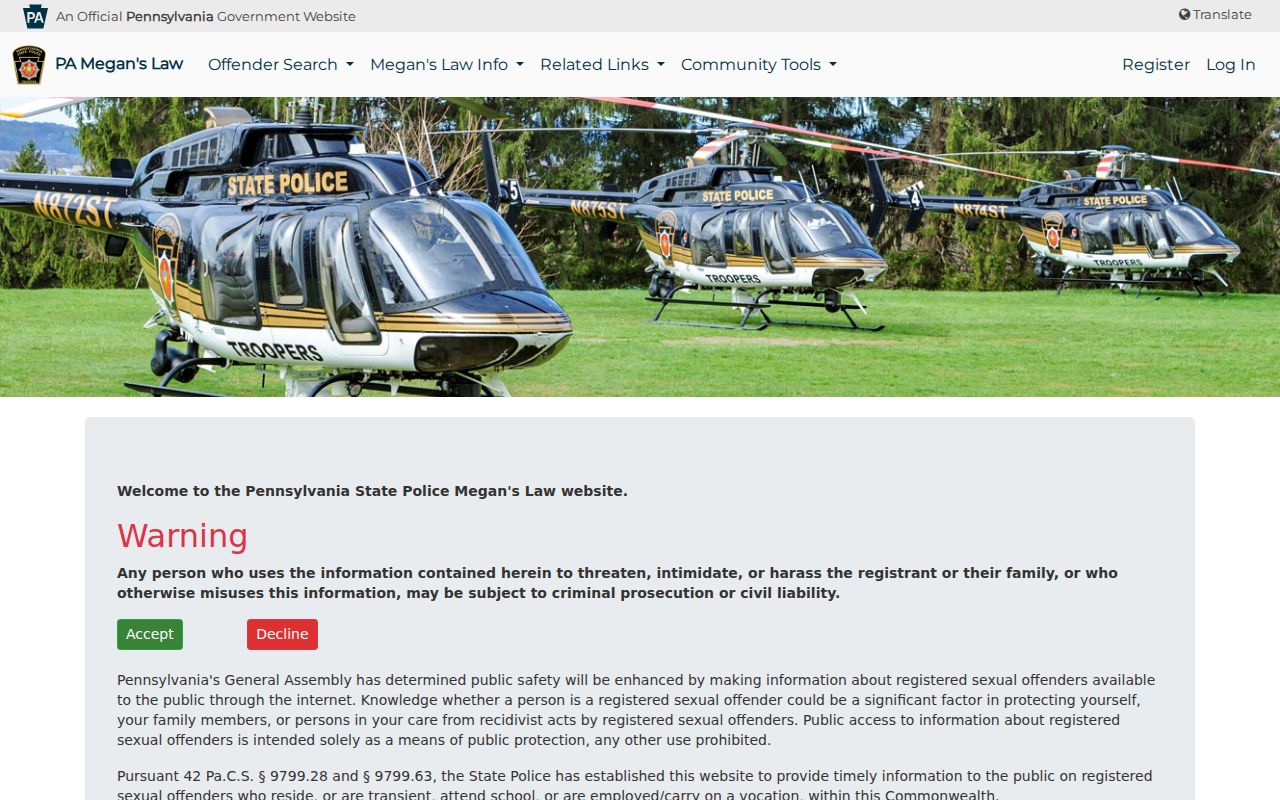
The site’s warning reinforces the line between an official public-safety tool and an all-purpose resident search.